

To get recommended by ChatGPT, your business needs clear, trustworthy content that AI can read, verify, and cite. This isn’t a fringe concern anymore. The share of consumers using ChatGPT or other AI tools for local business recommendations rose from 6% to 45% in a single year, according to BrightLocal’s 2026 Local Consumer Review Survey. When someone asks AI for the best option in your category, it names businesses with strong, consistent information across the web, or it names a competitor instead.
This is new, it’s real, and most businesses in Pakistan haven’t started. That gap is your opportunity. Here’s how it works.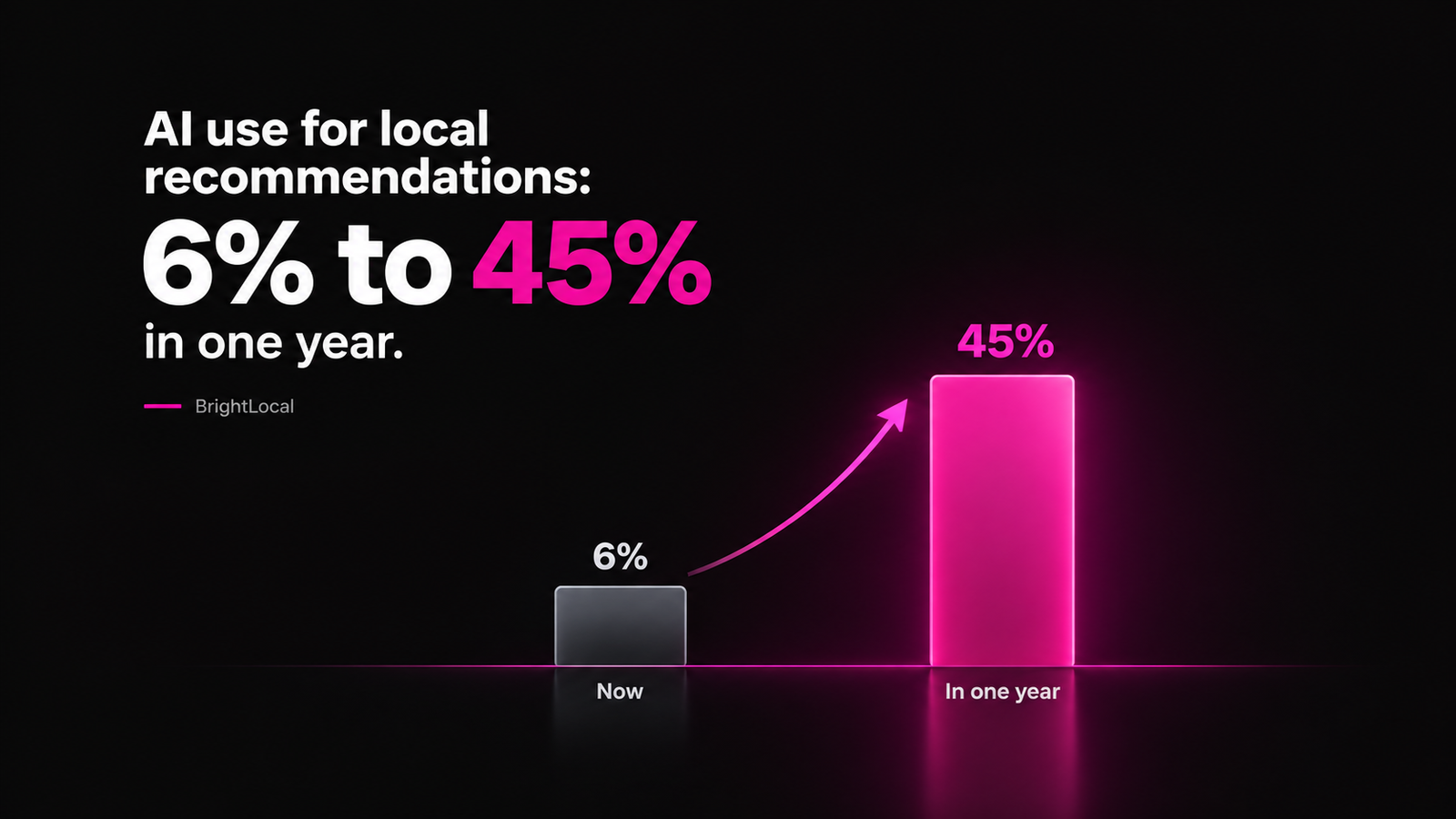
Why being recommended by AI matters now
A growing share of customers ask AI tools like ChatGPT and Perplexity for recommendations instead of scrolling Google. They ask a direct question, get a direct answer with a few named businesses, and often act on it. A lead arriving this way is usually pre-sold, because the AI has already vouched for you.
And these visitors are unusually valuable. AI search visitors convert at far higher rates than ordinary organic ones, with reported conversion rates for ChatGPT-referred traffic several times higher than Google organic, according to Seer Interactive data reported across 2026 industry analyses. Fewer visitors, but far readier to buy.
How an AI decides which businesses to name
AI tools name businesses that appear trustworthy, consistent, and well-described across the web. They read your website, profiles, reviews, and mentions of you elsewhere, then judge whether you’re a credible answer. And crucially, most of what they cite isn’t your own site: research on AI citations finds the majority come from third-party sources, not the brand’s own pages.
So the same things that build trust with Google build trust with AI: accurate information everywhere, strong reviews, genuine mentions on other reputable sites. AI is just a stricter, faster reader.
What generative engine optimization actually is
Generative engine optimization, or GEO, is the practice of structuring your presence so AI answer engines cite and recommend you. It sits alongside traditional SEO rather than replacing it. Where SEO aims to rank a link, GEO aims to make your business part of the answer the AI writes.
The peer-reviewed Princeton GEO study (Aggarwal et al., presented at KDD 2024) tested what actually works. Three content moves lifted AI citation most: adding statistics (around +41%), quoting named experts (around +28%), and citing named sources (around +28%). For pages not already ranking near the top, citing sources lifted visibility by around 115%, which is exactly the position most Pakistani businesses are in right now.
How to start getting cited
Make your information clear, consistent, and answer-shaped everywhere. Write content that answers real customer questions plainly, with the answer stated early. Back claims with named sources and real numbers, because that’s the pattern AI engines reward, and avoid a salesy tone, which correlates negatively with being cited.
Keep your business details identical across your website, Google profile, and every listing, since contradictions make AI distrust you. Build genuine reviews and real mentions on other reputable sites. And make sure your site is properly indexed, since that’s the baseline for appearing in AI answers at all.
None of this is a trick. It’s the same foundation of clarity and trust good marketing always needed, now read by a machine that recommends you directly.
The takeaway
AI is quietly becoming a referral engine, and right now it’s referring your competitors. Clear content, real cited facts, consistent details, genuine reviews, and third-party mentions are what get you named. GEO is early enough here that acting now puts you ahead of nearly everyone in your market.
At Nexma we build this AI-ready presence for businesses across Pakistan, so when a customer asks an AI who to hire, your name is in the answer. Getting there first is the whole advantage.