

Google reviews decide who wins local customers because they are the trust signal both people and Google rely on most. Here is the scale of it: 97% of consumers read online reviews for local businesses, and 78% won’t consider a business rated below four stars, according to Resourcera’s 2026 data. Before a customer calls, they read your reviews. Before Google ranks you, it weighs them.
Reviews aren’t a nice-to-have. They’re the deciding factor in most local buying decisions, and they pull double duty by convincing both the customer and the algorithm. Here’s how to build them the right way.
Why customers trust reviews more than your marketing
Customers treat reviews as honest opinions from people like themselves, not marketing. Your own words about your business are marketing. A stranger’s words are proof, and nearly all buyers now seek that proof: 97% read reviews before choosing, according to Resourcera.
This is why a shop with 50 genuine reviews feels safe and one with two feels like a gamble. The customer is trying to avoid a bad experience, and reviews are the clearest map of who to trust.
Reviews also move your Google ranking
Reviews are among the strongest local ranking signals, driving roughly 15 to 17% of local pack rankings, according to BiznessIQ’s 2026 data. Google reads the volume, the recency, and your responses as evidence your business is active, real, and trusted.
The effect compounds. There’s a measurable lift of nearly 3% in profile conversions for every 10 new reviews, according to SOCi data reported by Shopify, and top-ranking local businesses average over 500 reviews, according to Semrush. Reviews convince the customer and convince Google at the same time.
How to get more reviews without begging
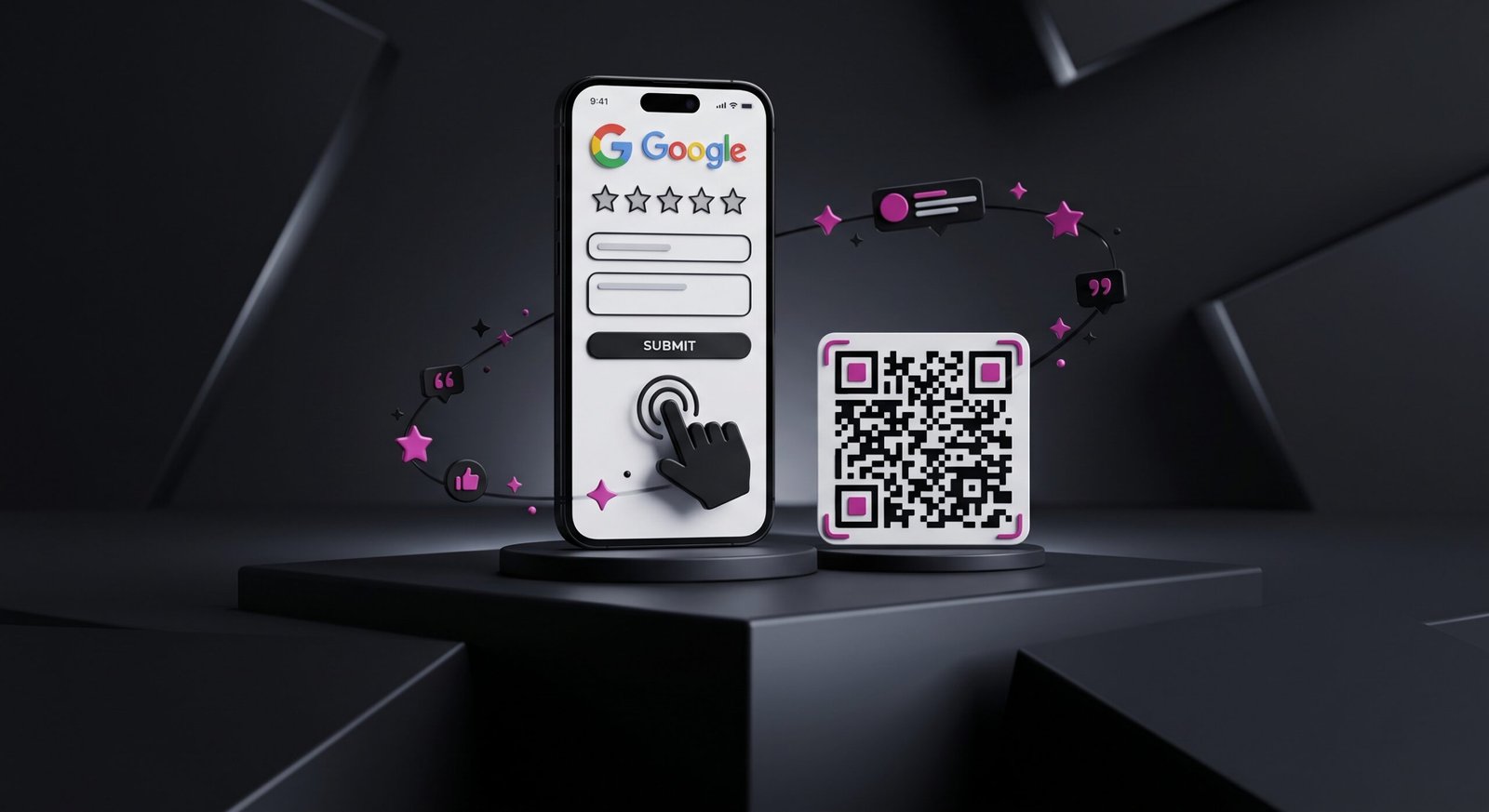
Ask every happy customer at the right moment and make it effortless. The right moment is just after you’ve delivered something they’re pleased with. The effortless part is a direct link or QR code that opens straight to your review form, so it takes ten seconds.
Build the ask into your routine: a line at the end of a job, a follow-up message, a small card with a QR code. Most happy customers are glad to help; they just never get asked or find it fiddly. Remove the friction and the reviews come.
Never buy fake reviews. Google detects and punishes them, and customers can sense them. A slower flow of honest reviews is worth far more than a fast pile of fakes that can get your profile suspended.
What to do about a bad review
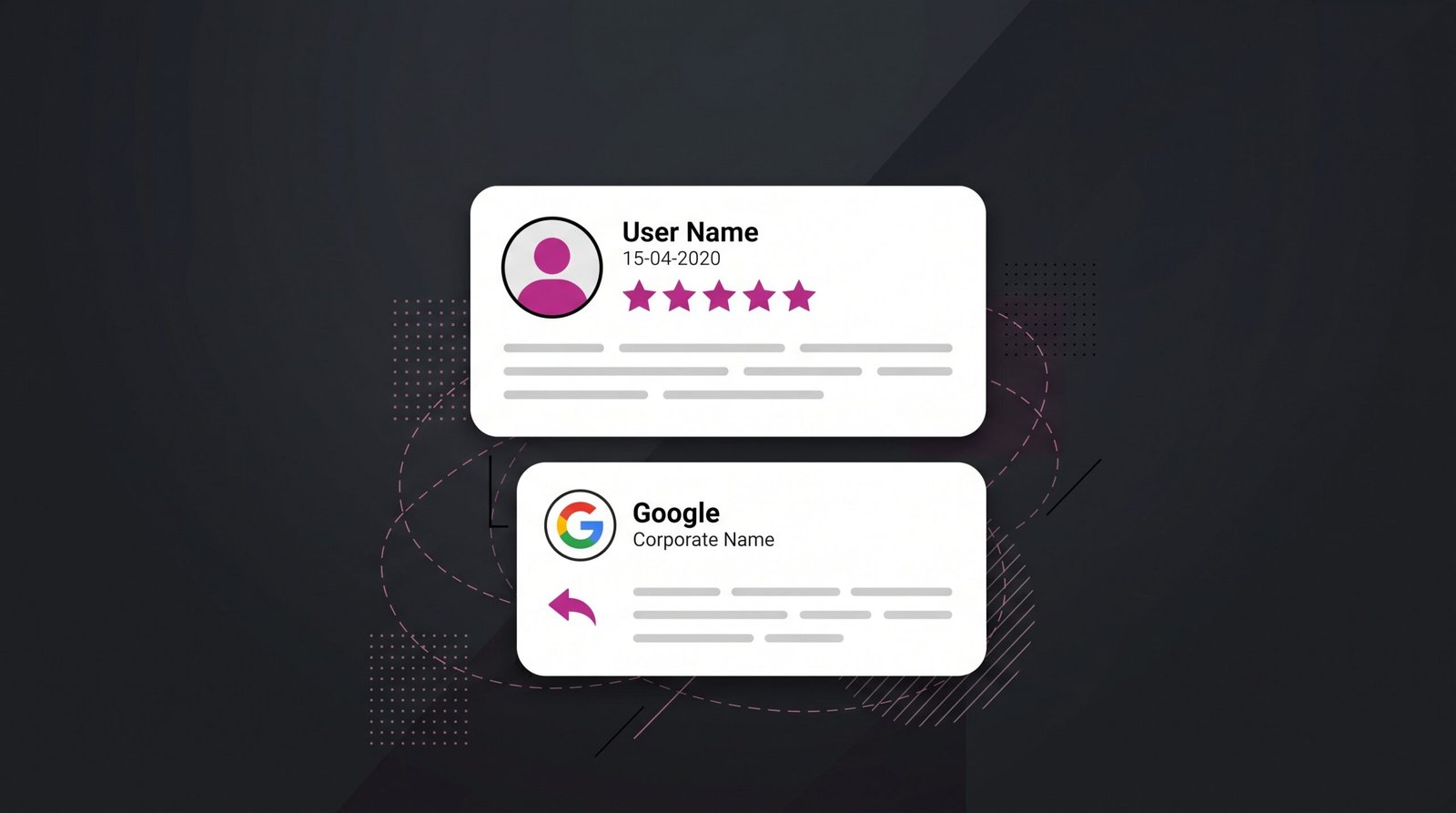
Reply calmly, professionally, and publicly, because how you handle a bad review is watched by everyone. Responding to negative reviews recovers about 25% of otherwise-lost customers, according to SQ Magazine’s 2026 data, and 97% of customers read a business’s responses to reviews.
A defensive reply does more damage than the original complaint. A composed, fair response that offers to make things right shows every future customer that you take care of people. A few negatives handled well can actually build trust, because a wall of nothing but five stars looks suspicious. Silence is the real damage.
The takeaway
Reviews win the customer and win the ranking, at the same time. Ask every happy customer, make it effortless, never fake it, and reply to everything, good and bad. Do that consistently and you build an advantage competitors find very hard to catch.
At Nexma we build review systems for businesses across Pakistan, the steady, honest kind that lift both trust and ranking. If your reviews are thin, that’s one of the fastest gaps to close.