

Small shops outrank big brands on Google Maps by winning on the signals Google actually measures: relevance, distance, and prominence. Budget is not one of them. A local business that nails its profile, gathers reviews, and stays active can sit above a national chain, and the reward for reaching the top is huge: local 3-pack businesses get 126% more traffic than those in positions four to ten, according to Shno’s 2026 data.
This is one of the fairest fights in marketing. Below are the five levers that decide it, in the order they matter.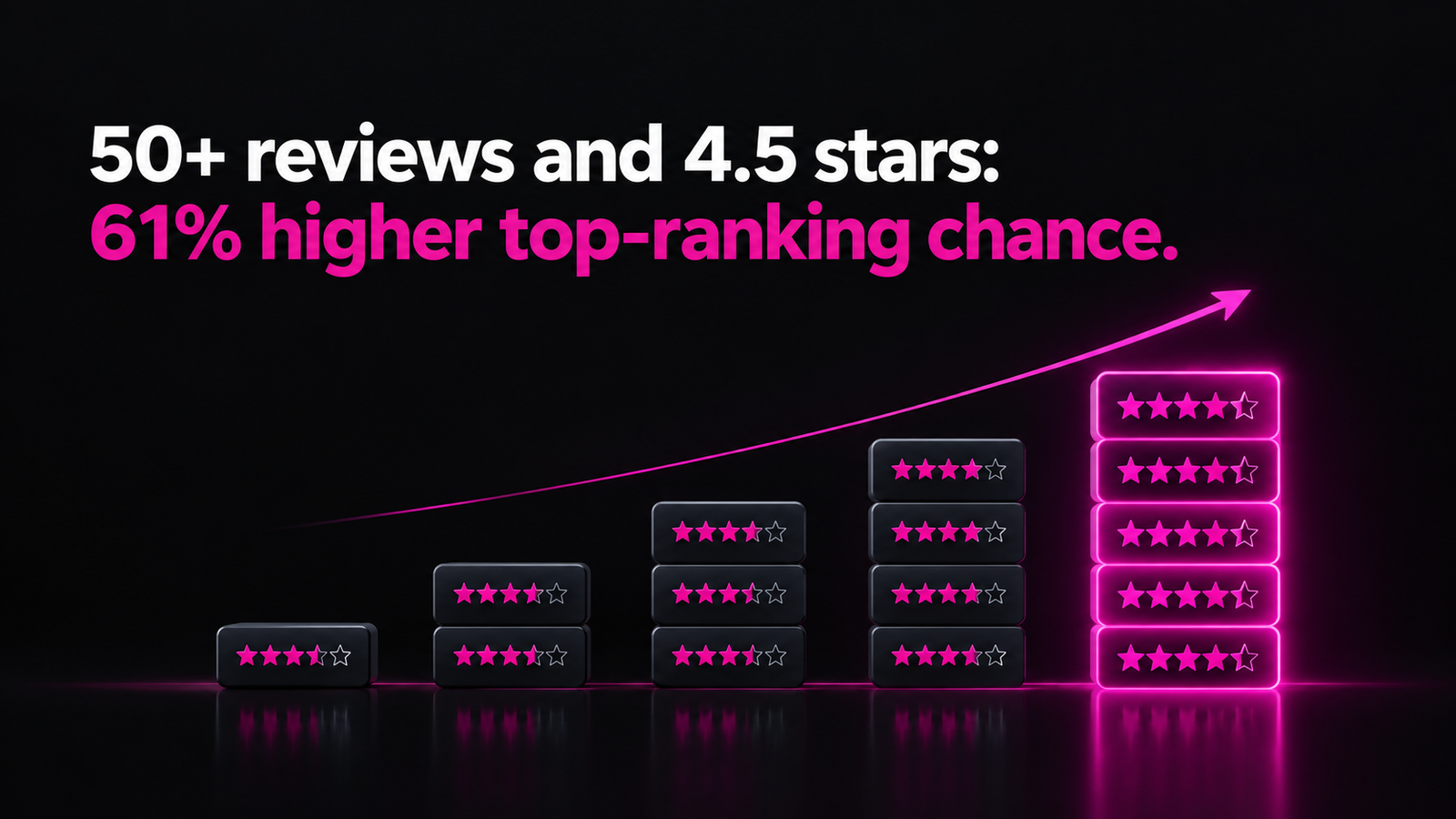
1. Proximity to the searcher
Distance is a core ranking factor, and it quietly favours you. For someone standing near your shop, you may simply be the closest relevant option, and a national brand three suburbs away can’t beat you on that no matter how large it is. Proximity is cited as the strongest single factor for the local pack, according to Searchlab’s 2026 analysis.
You can’t move your shop, but you can make sure Google knows exactly where you are, with a precise, verified location on your profile.
2. A complete, active profile
Completeness and activity drive the relevance and prominence signals you control directly. Profiles that post regularly appear in the top-three map results 3.1 times more often, according to SQ Magazine’s 2026 GMB data.
A local owner can update hours instantly, add photos weekly, and answer questions the same day. A chain running hundreds of locations from head office usually can’t. Your speed is the advantage.
3. A steady flow of reviews
Reviews do the heaviest prominence lifting, and volume, recency, and your replies all count. Listings with 50 or more reviews and a 4.5-plus rating have a 61% higher chance of ranking at the top, according to SQ Magazine.
A business gathering a few honest reviews every week, and replying to each, sends a trust signal a dormant profile can’t match. This is where consistent small effort beats size.
4. Consistent business details everywhere
Your name, address, and phone number must match across your website, profile, and every directory. When details clash, Google loses confidence and ranks you lower. Inconsistent information also makes you invisible to voice search and AI recommendations at the same time, since they draw on the same data, according to BiznessIQ’s 2026 analysis.
Clean, matching details everywhere is a quiet but real advantage that most competitors never audit.
5. Fresh photos, posts and answered questions
Ongoing activity keeps the profile alive, and active profiles are treated as more trustworthy than abandoned ones. Businesses with many photos receive far more calls than average listings, according to SQ Magazine.
None of these five levers requires a big budget. Every one of them rewards attention. That’s precisely why a sharp local business can win.
Can you really beat a national brand?
Yes, for local searches near you. The map results are local by design, so a national brand’s overall size doesn’t rescue a neglected local listing. If your profile is more complete, your reviews stronger and fresher, and you’re closer to the searcher, you can and do outrank them.
Where you won’t beat them is on broad, non-local searches or pure brand recognition. That’s fine. The local, ready-to-buy searches are the ones worth winning, and these five levers win them.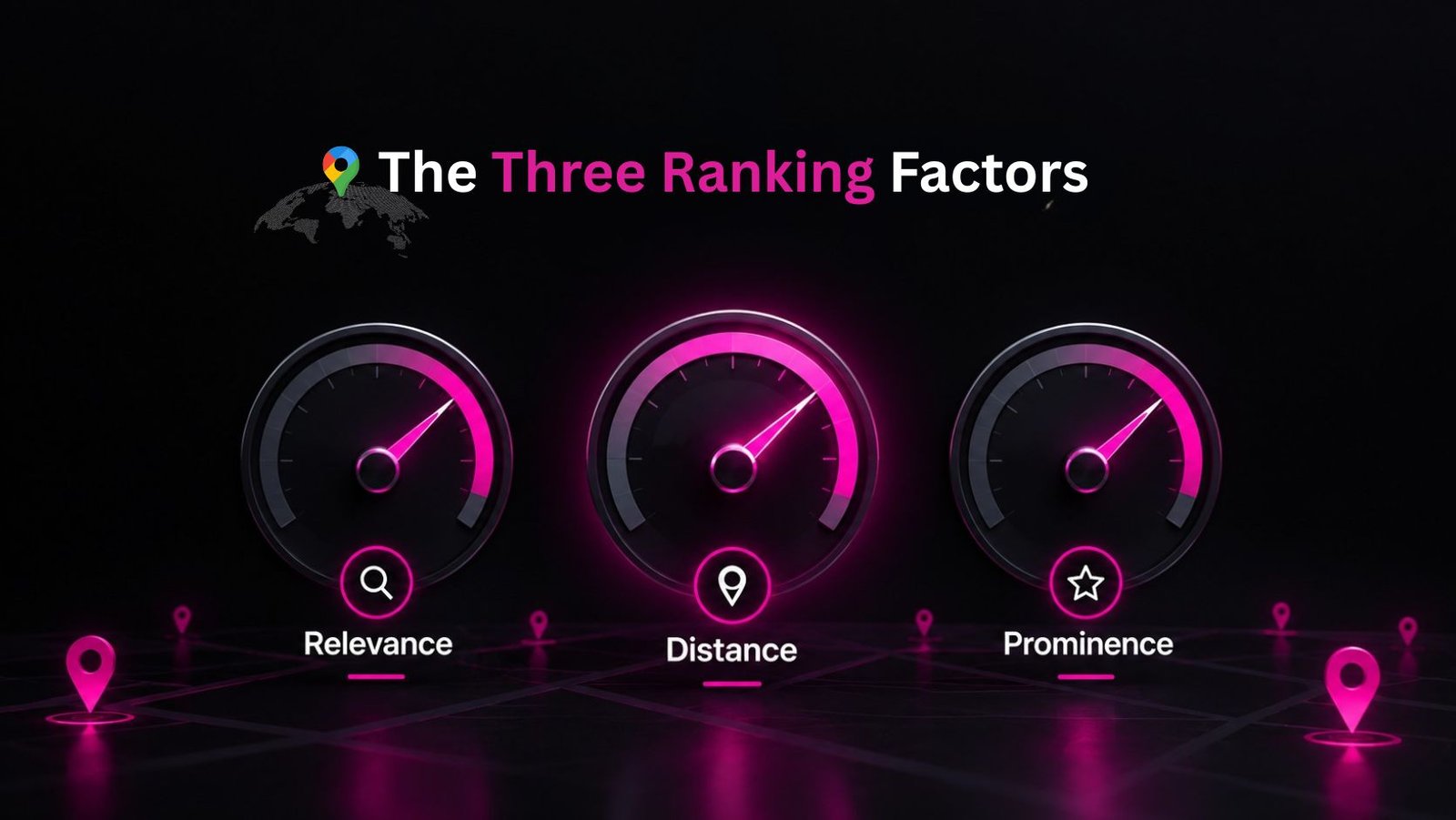
The takeaway
Google Maps rewards attention, not budget. Proximity, a complete profile, reviews, consistent details, and steady activity are the whole game, and each favours a local business that stays sharp. Do these five and you can sit above brands many times your size on the searches that bring real customers.
At Nexma we run this local ranking work for businesses across Lahore and Pakistan, tuning the profile and building the review engine that pushes you up the map. The top of the map is winnable. Most competitors just aren’t trying.